This post may contain affiliate links. If you purchase through these links, I may earn a small commission at no extra cost to you. I only recommend products and resources that I believe will genuinely help you manage money wisely and grow in your financial journey.
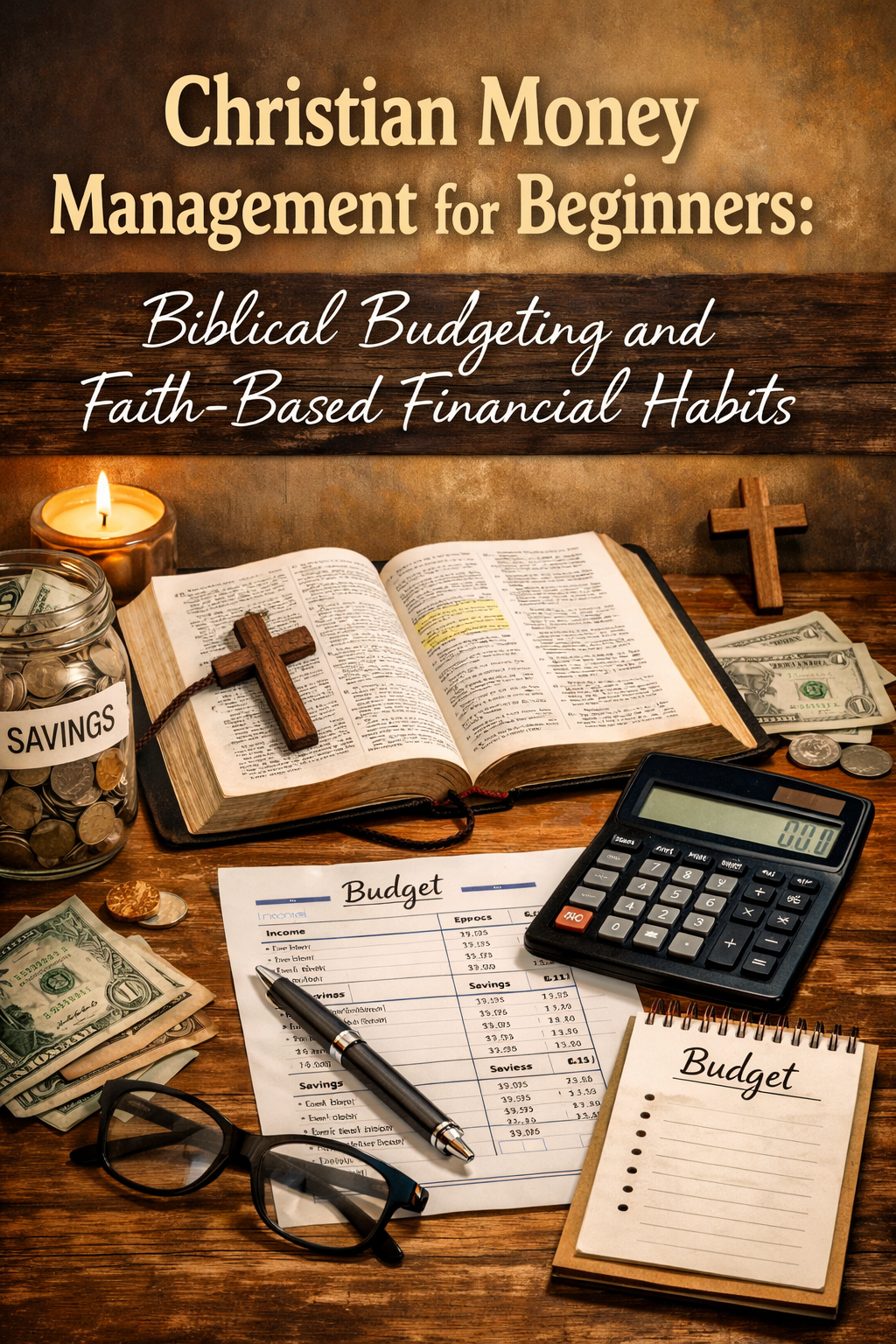
Building Christian faith money habits is about more than budgeting — it’s about honoring God with every dollar you earn, save, and spend. As a beginner, learning biblical money principles can completely transform your finances and your peace of mind. Instead of chasing quick wealth, Christian financial stewardship focuses on wisdom, discipline, generosity, and trust in God’s provision.
The Bible teaches that we are stewards, not owners. When you start a faith-based budgeting plan, you invite God into your financial decisions. This means creating a simple monthly budget, avoiding unnecessary debt, giving faithfully, and building savings with purpose. Christian money management is not about perfection — it’s about progress and obedience.
If you are new to managing money, start with three steps: pray over your finances, track your expenses, and set clear financial goals. A Christian budget for beginners should include tithing, essentials, savings, and debt payoff. When you align your money with biblical values, financial stress decreases and confidence grows.
By applying Christian financial tips for beginners, you can break cycles of paycheck-to-paycheck living and build a strong foundation rooted in faith.
Remember, true wealth is not measured only by numbers in a bank account. It’s measured by peace, generosity, and trust in God. Start your Christian faith money journey today — one faithful decision at a time.
Leave a Reply