Learning how to take control of your finances starts with getting a clear picture of your money.
When bills are scattered, spending feels unpredictable, debt balances are unclear, and savings goals keep getting pushed aside, it can feel like your money is controlling you instead of the other way around.
The solution is not to fix everything in one day.
Instead, start by organizing what you have, identifying what needs your attention most, and creating a simple plan for the next 30 days.
These 10 steps can help you get your finances organized and begin making money decisions with more clarity and confidence.
What Does It Mean to Take Control of Your Finances?
Taking control of your finances does not mean becoming perfect with money.
It means knowing what is happening with your finances and making intentional decisions instead of constantly reacting.
You should be able to answer questions such as:
- How much money comes into my household?
- Which bills are due and when?
- How much debt do I currently owe?
- How much money do I have saved?
- Which expenses cause me the most stress?
- What is my most important financial goal right now?
- What needs to change during the next 30 days?
If you cannot answer all of these yet, that is where you begin.
1. Know Exactly How Much Money Is Coming In
Start by writing down all of your regular income.
This might include:
- Paychecks
- Business income
- Side-job income
- Benefits
- Child support
- Other regular sources of income
Use the amount you actually receive after taxes and deductions.
If your income changes from month to month, look at the last few months and use a realistic amount.
You do not need to create a complete budget yet.
At this stage, you simply want to know how much money you have available to work with.
2. Put Every Bill and Due Date in One Place
One of the easiest ways to feel out of control financially is not knowing what bill is coming next.
Create one list of all your regular bills.
Include:
- Rent or mortgage
- Electricity
- Water
- Gas
- Phone
- Internet
- Insurance
- Car payment
- Credit cards
- Loans
- Subscriptions
- Childcare
- Any other recurring payments
Next to each bill, write:
- Amount
- Due date
- Whether it is automatically paid
You can use a notebook, calendar, planner, or simple bill list.
The important thing is that everything is in one place.
Once you can see your bills clearly, you are less likely to forget one or be surprised by a payment.
3. Write Down All of Your Debt
Debt can feel much more overwhelming when you only know that you “owe a lot.”
Turn that uncertainty into actual numbers.
List every debt you currently have.
For each debt, record:
- Current balance
- Minimum payment
- Interest rate
- Due date
Do not worry about deciding which debt to pay off first yet.
Your first goal is simply to know exactly what you owe.
Clarity gives you something concrete to work with.
4. Check Your Current Savings
Next, look at what you currently have saved.
This can include:
- Emergency savings
- General savings
- Sinking funds
- Vacation savings
- Holiday savings
- Car repair funds
- Other money set aside for future expenses
Write down the balances.
You may discover that you have very little saved right now. That is okay.
The purpose of this step is not to judge your progress. It is to know your starting point.
Once you know where you are, you can decide where you want to go.
5. Identify Where You Feel Most Out of Control
Now ask yourself:
What part of my finances causes me the most stress?
Your answer may be:
- Bills are always late.
- I spend too much after payday.
- I do not know where my money goes.
- My credit card balances keep growing.
- I have no emergency savings.
- Groceries cost more than I expect.
- I keep making impulse purchases.
- I never have enough left before payday.
Do not try to solve every problem at the same time.
Choose the one area that creates the most pressure.
That becomes your first financial priority.
If your biggest issue is creating an actual spending plan, my guide on how to budget for beginners can help you build one step by step. Want help turning that priority into an actual paycheck plan?
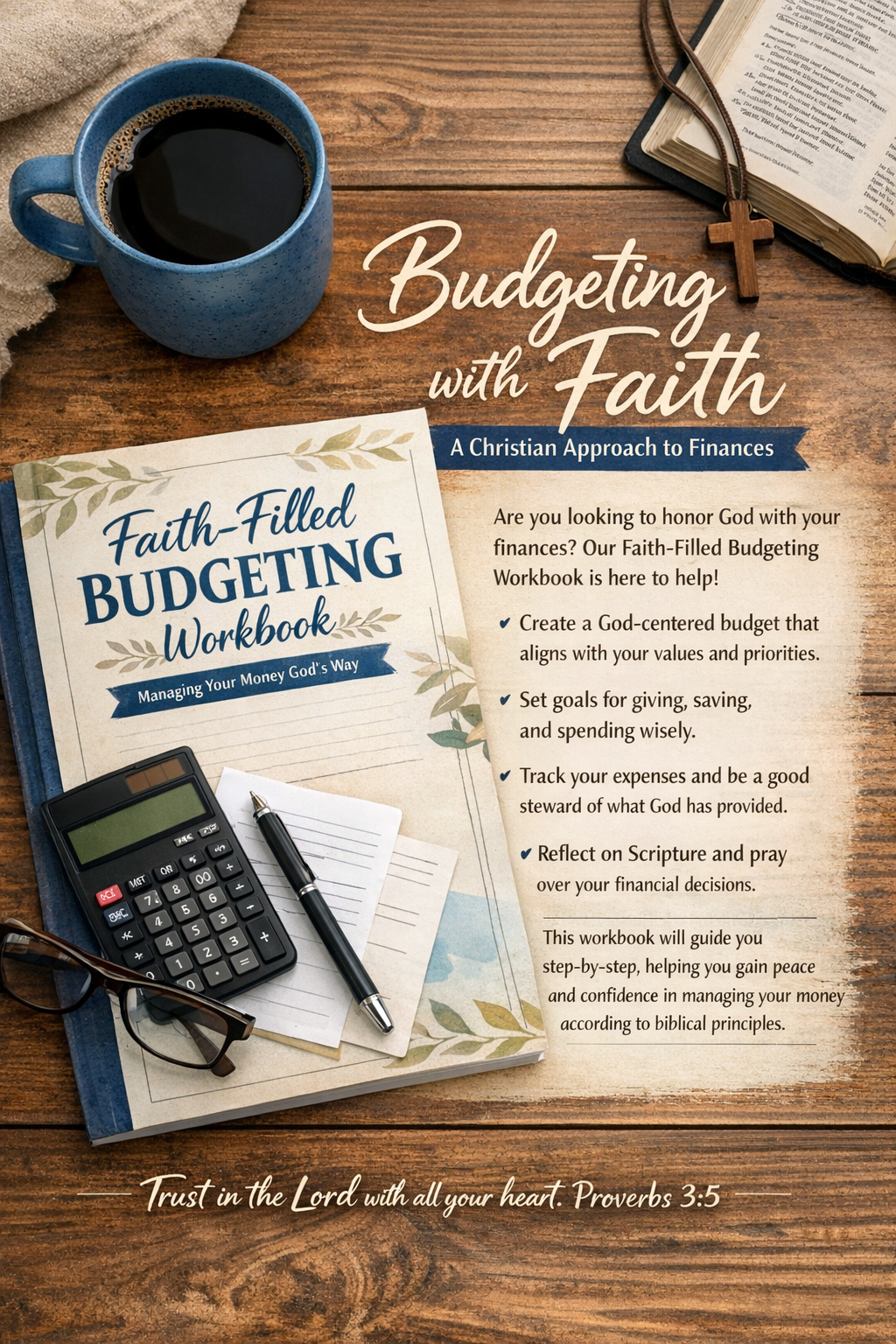
The Christian Paycheck Reset System gives you a simple faith-based system to organize your paycheck, bills, spending, savings, and financial goals so you know exactly what to do with your money before it disappears. Start Your Christian Paycheck Reset Here
6. Choose One Financial Priority
Once you know your biggest problem, choose one clear goal for the next 30 days.
For example:
Instead of:
“I need to get better with money.”
Choose:
“I will save my first $200.”
Or:
“I will stop paying my electric bill late.”
Or:
“I will reduce my credit card balance by $150.”
Or:
“I will track every purchase for the next 30 days.”
A specific goal gives your money direction.
You can always work on another goal later.
For now, choose the one that will make the biggest difference.
7. Set Simple Spending Boundaries
Taking control of your money often requires deciding what you will and will not spend on.
This does not mean eliminating everything you enjoy.
Instead, identify the categories where you tend to lose control.
Maybe it is:
- Online shopping
- Takeout
- Convenience-store purchases
- Clothing
- Entertainment
- Subscriptions
- Unplanned grocery purchases
Choose one or two categories and set a clear boundary.
For example:
“I will only order takeout once this week.”
Or:
“I will wait 24 hours before making any non-essential online purchase.”
Or:
“I will cancel two subscriptions I no longer use.”
If you need more ideas for reducing unnecessary spending, read 10 Money Saving Tips for Beginners.
8. Create a Weekly Money Check-In
One of the best ways to stay in control of your finances is to check them regularly.
Choose one day each week for a short money check-in.
During your check-in:
- Look at your bank balance.
- Review purchases from the past week.
- Check upcoming bills.
- Review your debt balances.
- Look at your savings.
- Check progress toward your current goal.
- Make any needed adjustments.
This does not need to take hours.
Even 10 to 15 minutes can help you catch problems before they become bigger.
The important part is consistency.
When you check your finances regularly, you stop being surprised by your own money.
9. Make a 30-Day Financial Action Plan
Once your finances are organized, decide what you want to accomplish during the next 30 days.
Keep the plan simple.
For example:
Week 1
- List all bills and due dates.
- Write down all debts.
- Review current savings.
Week 2
- Track spending.
- Cancel one unnecessary expense.
- Set one financial goal.
Week 3
- Put money toward your goal.
- Review upcoming bills.
- Adjust one spending habit.
Week 4
- Review your progress.
- Check debt and savings balances.
- Decide what to work on next month.
A short plan is much easier to follow than trying to change your entire financial life immediately. Want a Ready-Made 30-Day Paycheck Reset?
If you do not want to create your financial reset from scratch, the Christian Paycheck Reset System walks you through the process step by step.
Inside the 68-page system, you can organize your paychecks, bills, weekly spending, savings, debt payments, and money goals while keeping faith at the center of your financial decisions.
It includes paycheck planning pages, spending trackers, bill-planning tools, financial prayer pages, a 30-day money reset, and more.
👉 [Get the Christian Paycheck Reset System]
10. Review What Changed
At the end of your 30 days, look back at where you started.
Ask yourself:
- Do I know when my bills are due?
- Do I know how much debt I owe?
- Have I become more aware of my spending?
- Did I make progress toward my goal?
- Did I save anything?
- Did I reduce unnecessary spending?
- What still feels difficult?
- What should I work on next?
Financial control is not something you achieve once and never think about again.
It comes from creating systems that help you stay aware of your money.
What If You Need to Spend Less?
Sometimes getting organized reveals that your expenses are simply too high.
If that happens, you can begin looking for practical ways to lower your everyday costs.
You may be able to:
- Reduce subscriptions
- Cook at home more often
- Use what you already own
- Buy secondhand
- Plan purchases
- Reduce waste
- Compare recurring expenses
My guide to frugal living for beginners goes deeper into ways to lower everyday costs without making life feel miserable.
What If You Need a Budget?
Getting organized and creating a budget are related, but they are not exactly the same thing.
This guide helps you understand your complete financial situation and decide what needs your attention.
A budget takes the next step by assigning your income to specific expenses and goals.
If you are ready for that step, read How to Budget for Beginners: Smart Money Management Guide.
Take Control of Your Finances With Faith and Wisdom
For Christians, organizing money can also be part of practicing wise stewardship.
Financial stress can make it easy to react from fear, frustration, or panic.
Instead, take a moment to pray before making major financial decisions.
You might ask God for:
- Wisdom
- Discipline
- Contentment
- Patience
- Clear direction
Then take practical action with the resources you currently have.
Faith does not mean ignoring the numbers.
It can mean approaching those numbers with prayer, wisdom, honesty, and a willingness to make changes.
You may not be able to control every financial circumstance, but you can become more intentional about the decisions that are within your control.
Start With One Step Today
You do not have to complete all 10 steps today.
Choose one.
Maybe you need to write down every bill.
Maybe you need to check your debt balances.
Maybe you need to look at your savings.
Maybe you need to decide what financial problem you want to work on first.
Completing one small step gives you more clarity than continuing to avoid the situation. Ready to Reset Your Paycheck and Start Fresh?
You do not have to figure everything out on your own.
The Christian Paycheck Reset System was created to help Christian women take practical control of their money one paycheck at a time.
Use the worksheets and step-by-step system to plan your paycheck, organize your bills, manage weekly spending, work toward savings and debt goals, and bring prayer into your money routine.
👉 [Start Your Christian Paycheck Reset]
Final Thoughts
Learning how to take control of your finances is not about having more money overnight.
It is about understanding the money you have and creating simple systems to manage it more intentionally.
Know what is coming in.
Know what you owe.
Know when your bills are due.
Know what you have saved.
Choose one priority.
Create spending boundaries.
Check your finances every week.
Then give yourself 30 days to make measurable progress.
You do not need to solve everything today.
Start by getting organized, choose your next step, and keep moving forward